Join Us at Fall Open House
Faculty Spotlight
Life Sciences
Helping Students See Themselves as Scientists
Melinda Gibbs loved exploring the woods near her north Georgia home as a child. Now, as an associate professor of Biology, she works to develop a similar fascination and respect for nature among Wake Tech students.
"I was filthy and having fun," Gibbs said of her childhood. "I loved being outside, turning over rocks and finding critters."
She would ask so many questions when she got back inside that her father would repeatedly tell her to go look things up to find out the answers. That, she says now, created her appetite for research.
But it wasn't until college, when Gibbs was taking a biology course as part of her pre-pharmacy studies, that she found her calling: field research.
"I didn't know you could do research and be outside," she said, noting she promptly switched her major to biology with the goal of becoming a park ranger or wildlife biologist. She interned at Yellowstone National Park one summer and studied birds during a second summer internship.
During graduate school at the University of Tennessee, she studied beetles and ants and natural ways to control pests. That led to a position at North Carolina State University, where she worked with students on field research and helped compile a database on invasive species – insects and plants – for the university's Center for Integrated Pest Management (CIPM).
"I'm not a weird bug person," Gibbs said with a laugh. "I'm observant. I notice life all around me and respect it."
She shared that respect with her children, having them feel the bark of trees and watch how insects moved, which is how she learned she had a knack for teaching.
"My professors saw it in me, but I never did," she said. "They said I would be a fantastic teacher, but I just wanted to do research, play in the field, explore, get dirty."
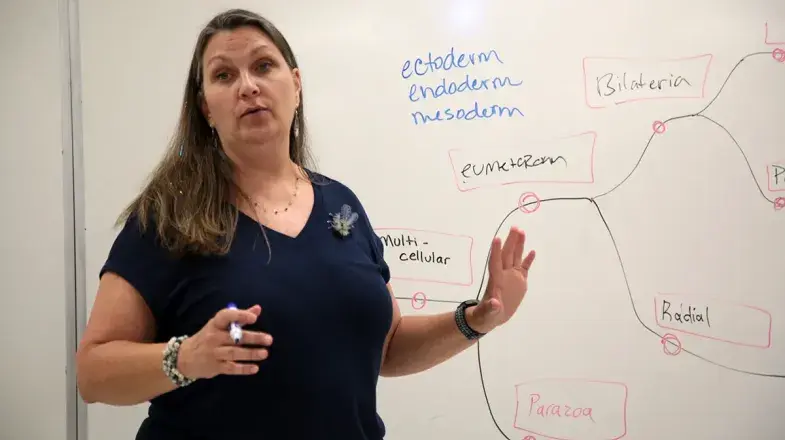
When she tired of being in an office doing CIPM database work, Gibbs decided to try her hand at teaching professionally. She worked as a substitute teacher in area elementary and middle schools and, in early 2017, become an adjunct instructor at Wake Tech, teaching an introductory biology course and related labs. She joined the faculty full time a year and a half later and was honored with an Excellence in Teaching award in 2024.
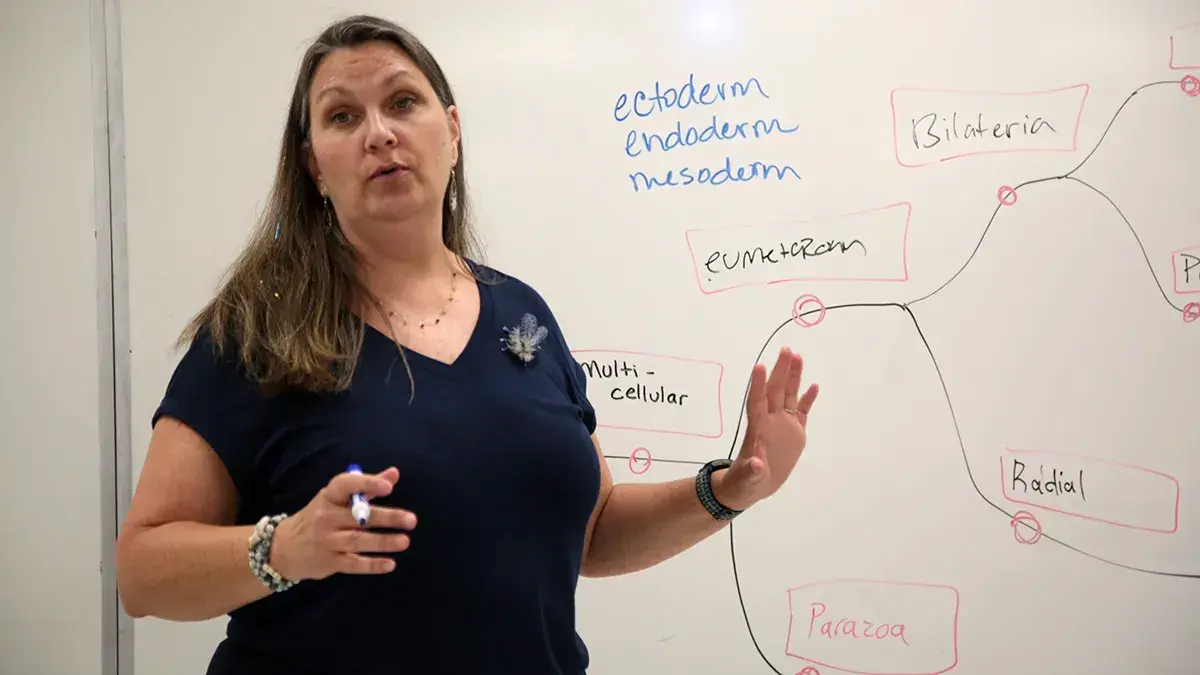
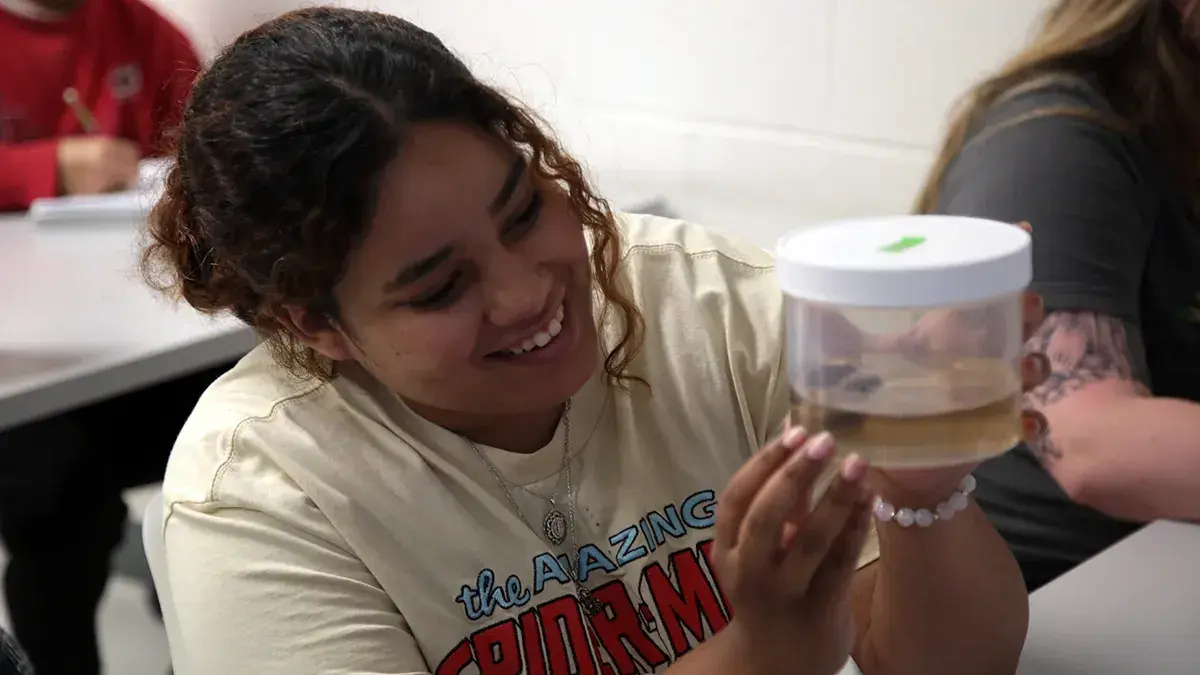
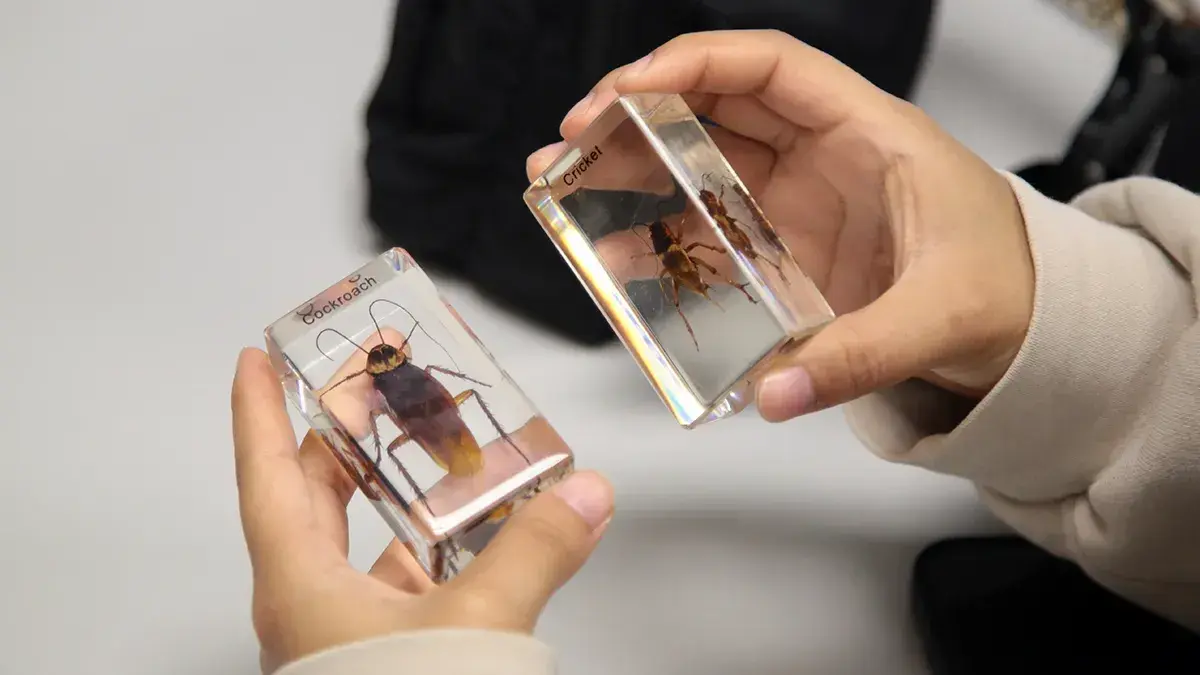
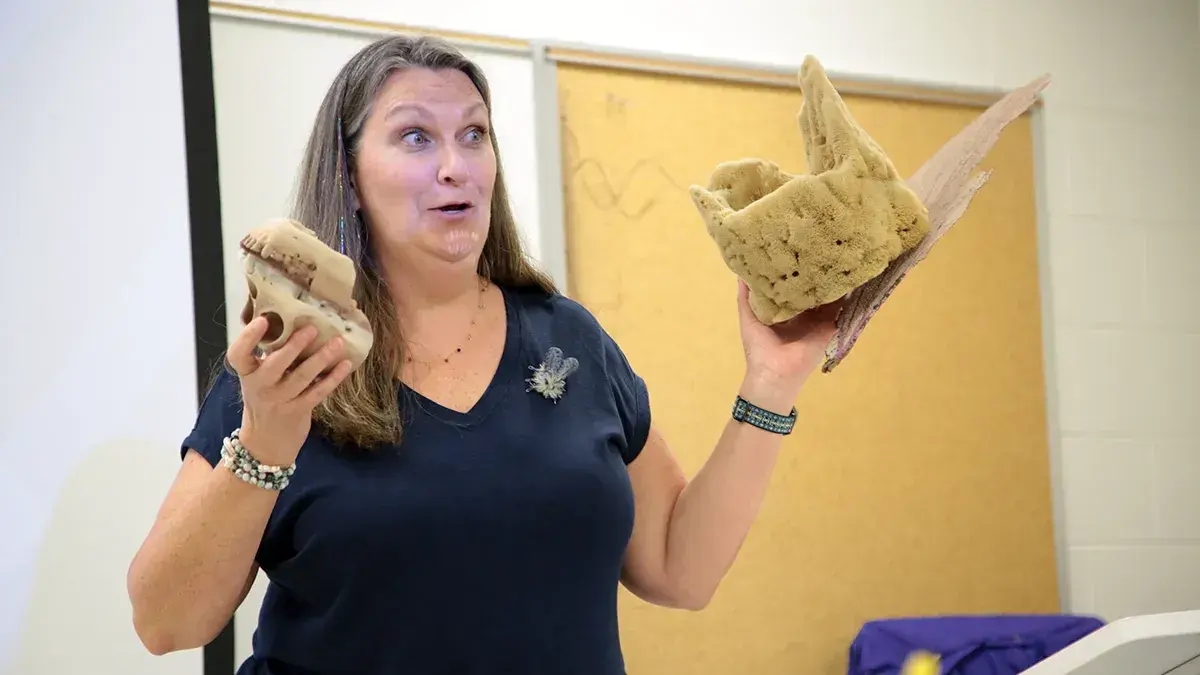
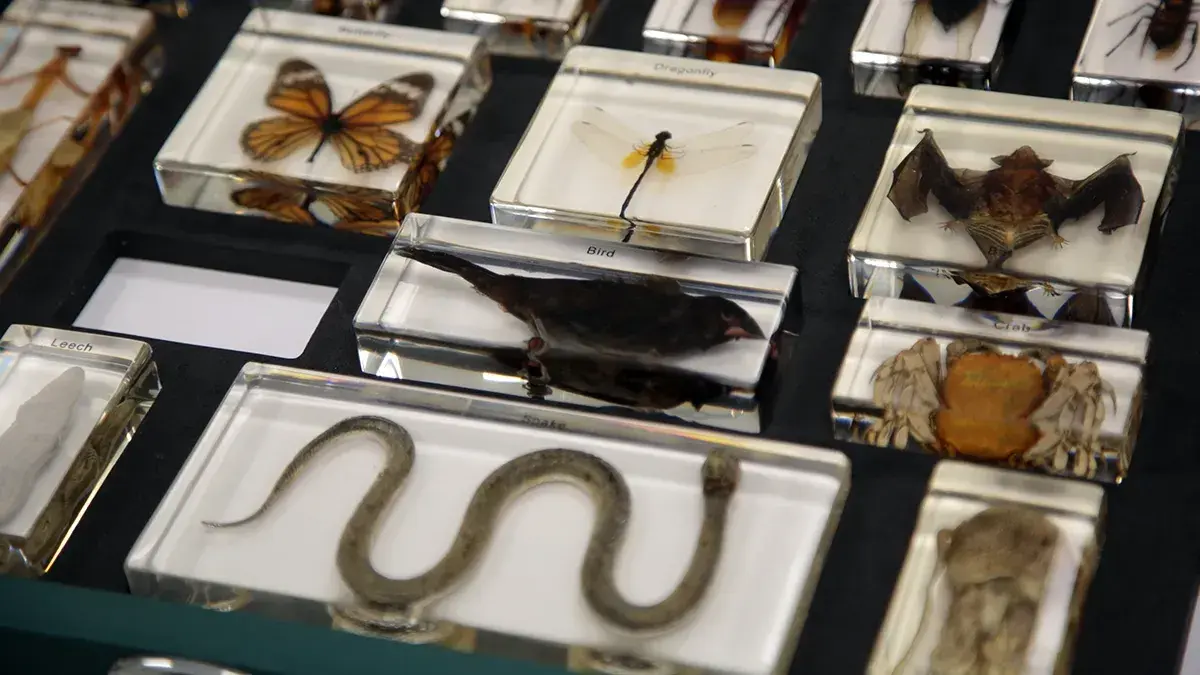
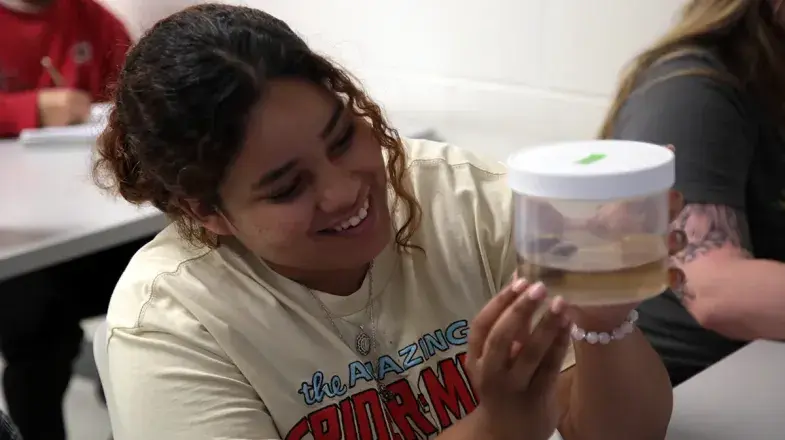
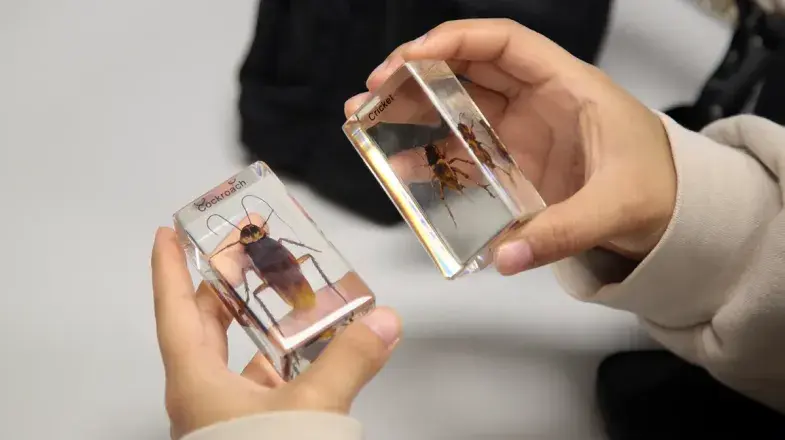
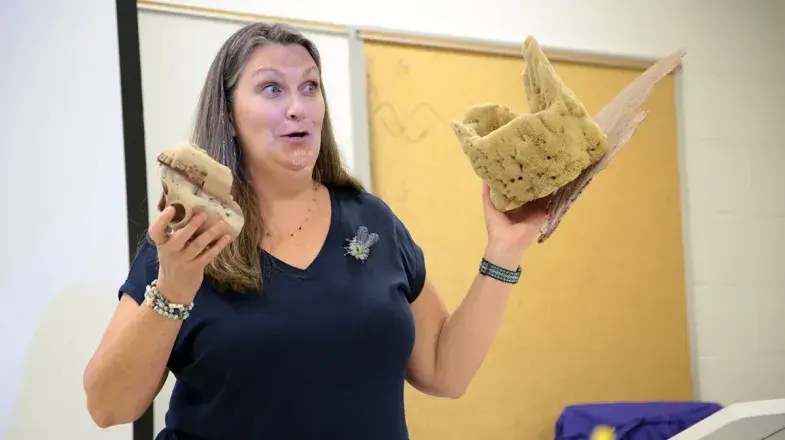
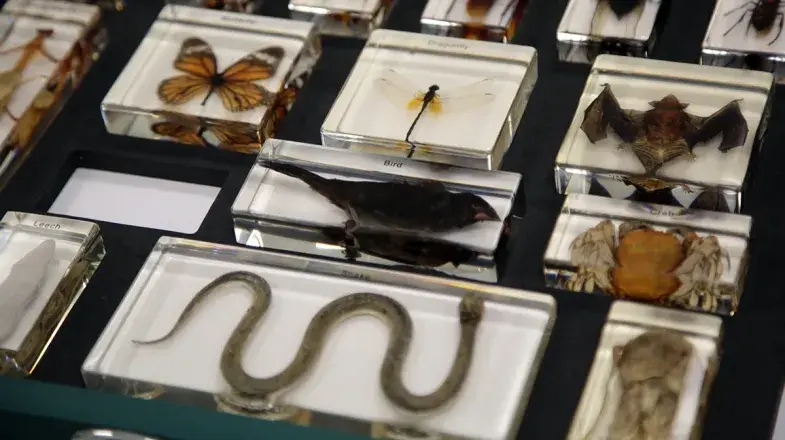
While discussing the various phyla and classes of the animal kingdom in one of her classes, she passes around preserved specimens of everything from coral and mollusks to nematodes to spiders and butterflies. She tells the students how she once found five squid watching her while snorkeling and encouraged them to be similarly observant in nature.
"I want them to appreciate all forms of life," she said.
Gibbs says she enjoys teaching at a community college where the classes are smaller and she can get to know students individually. Her students say they find her passion for biology inspiring.
"She's amazing," said Karlee Theobald, an Associate in Science (AS) student. "She's down-to-earth, and with all her experience in the field, she incorporates real-world examples into her classes."
"She promotes creativity and growth," agrees Emma Allred, an AS student and a START intern for Gibbs. "She allows us to create our own projects from the bottom up and is always telling us, 'You have to do the legwork.'"
Gibbs has had 40 interns in START, Wake Tech's unique STEM Academic Research and Training program, since it started in 2022. She says she wants research projects to be meaningful for students so they can discover what they like and don't like about research.
Allred, who wants to be a wildlife biologist, set up motion-activated cameras along a creek that runs through Southern Wake Campus to track animals moving through in the area.
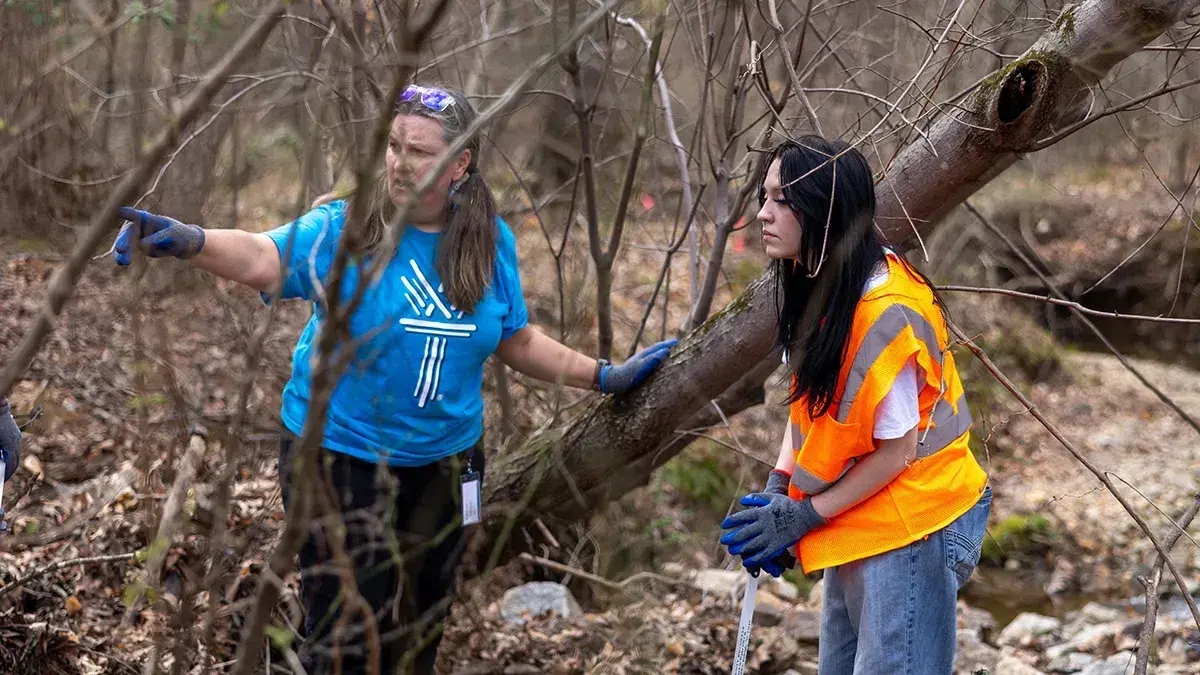
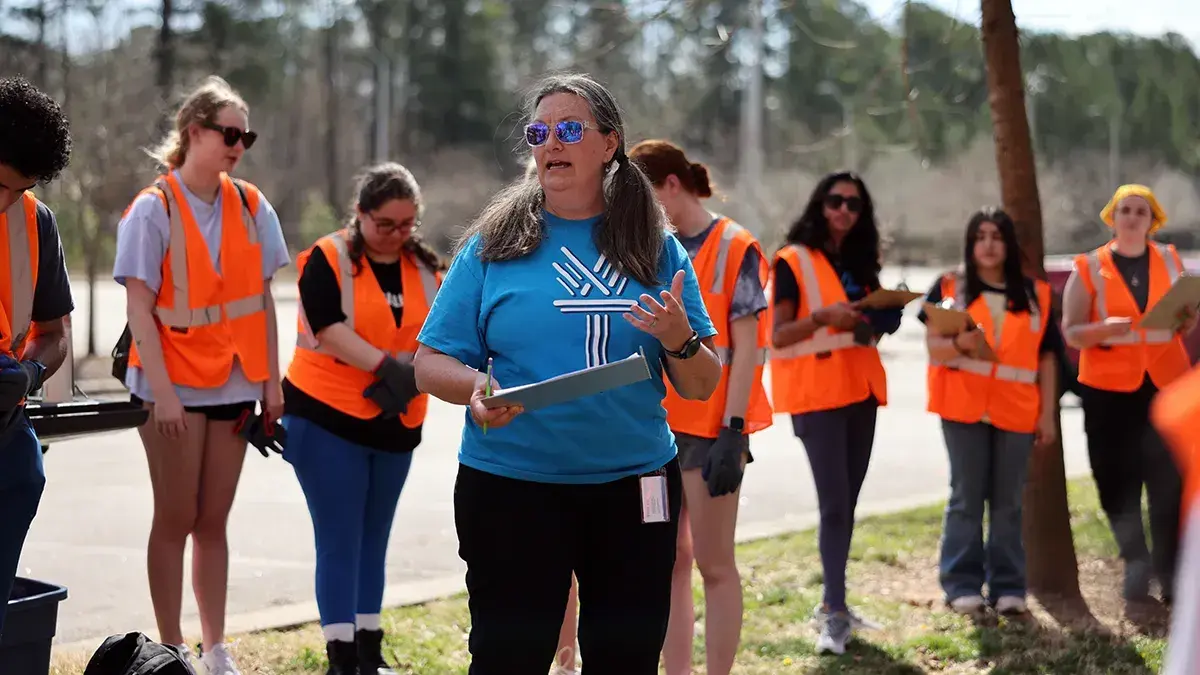
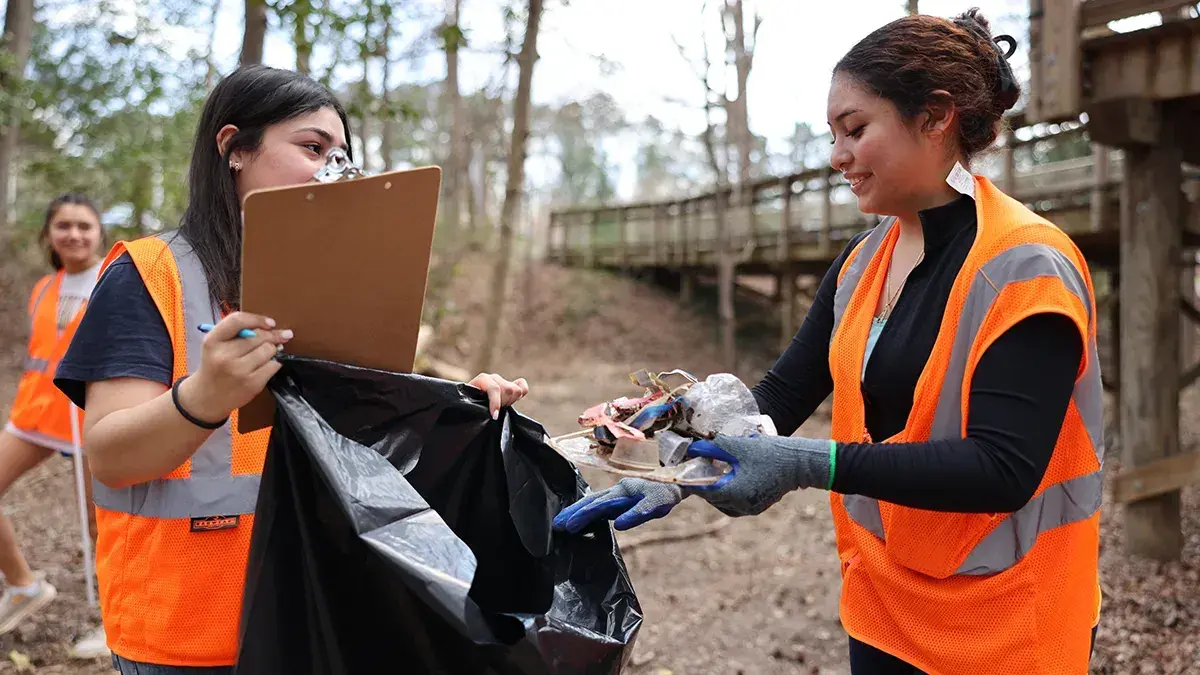
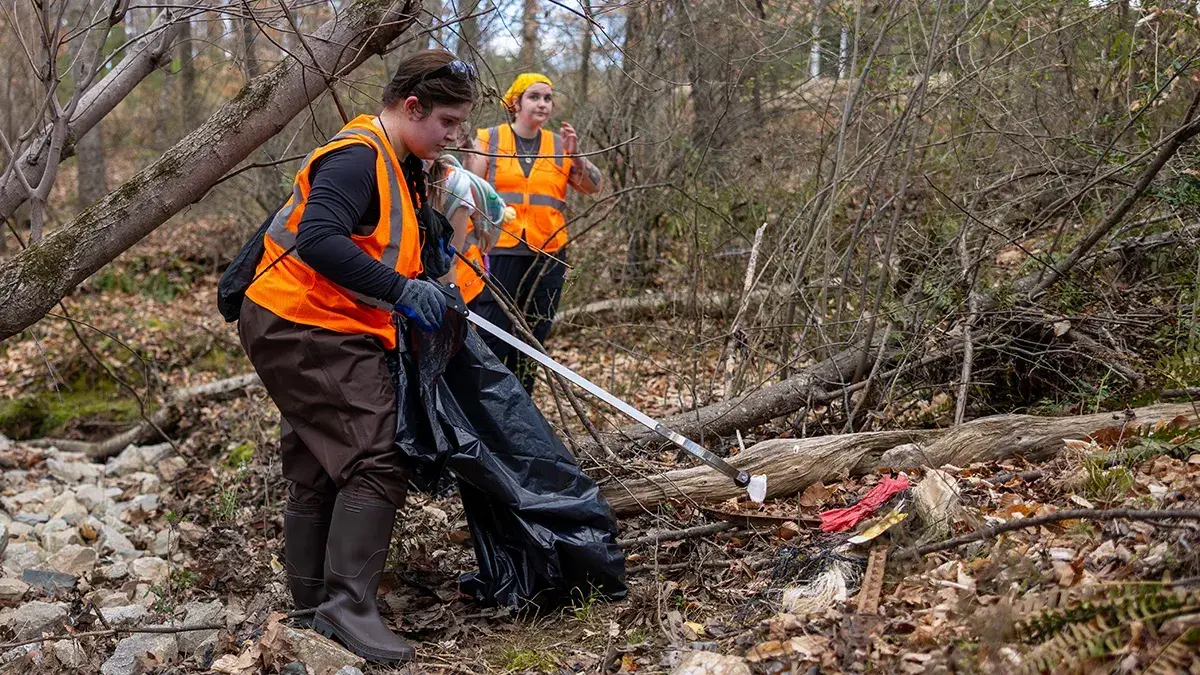
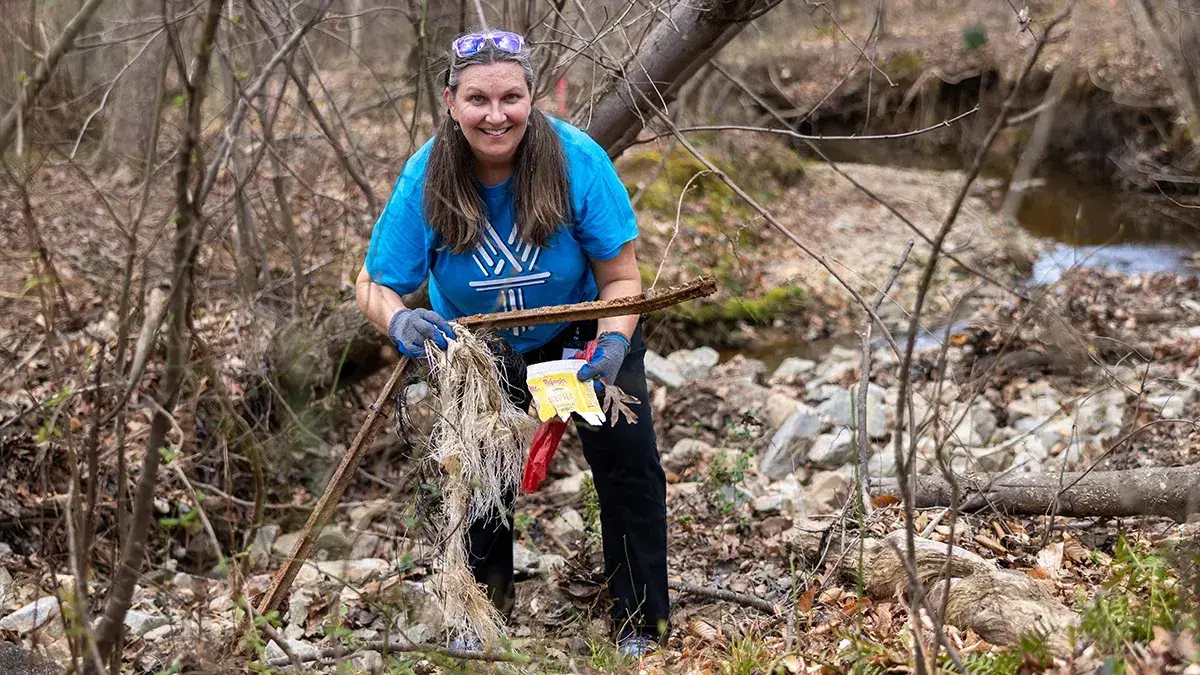
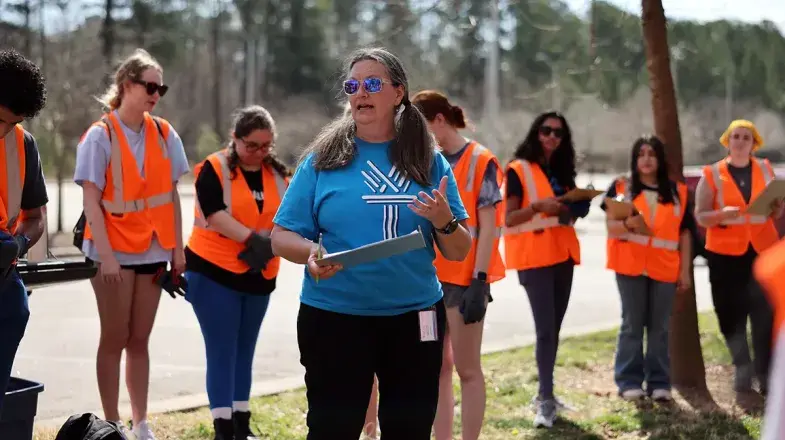
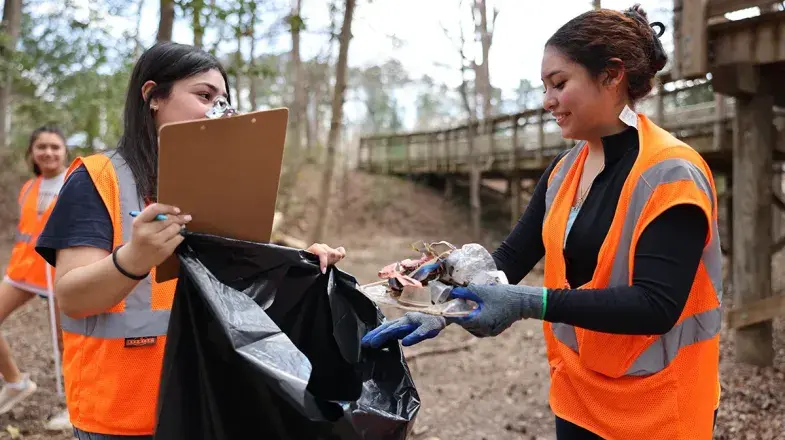
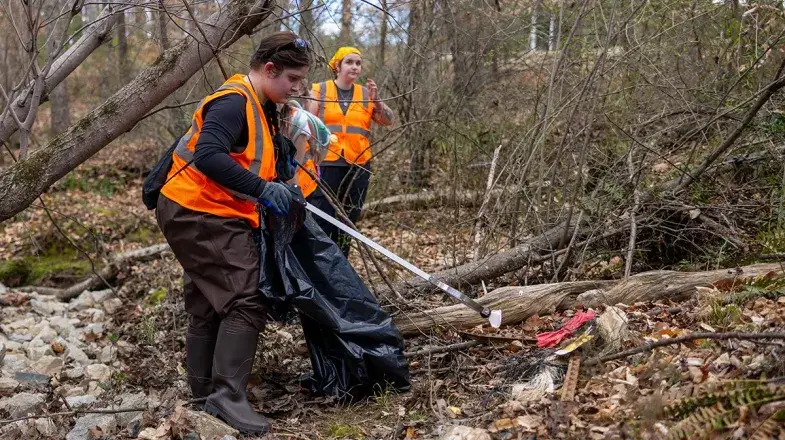
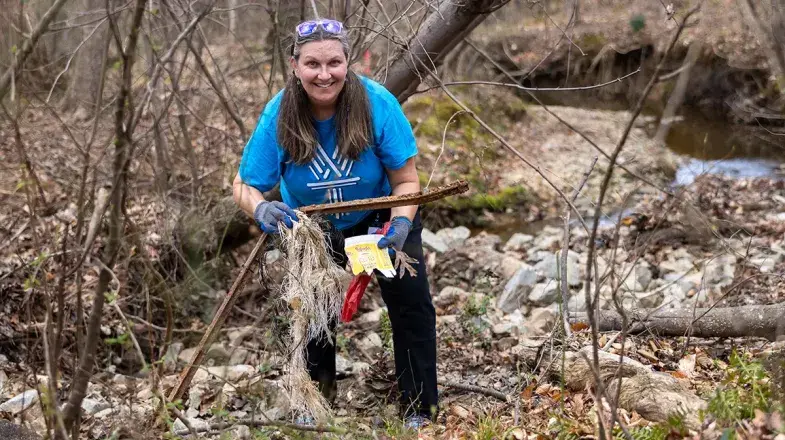
In addition to teaching and mentoring START interns, Gibbs also leads an annual cleanup of the Southern Wake Campus stream, where students collect dozens – sometimes hundreds – of pounds of trash, ranging from drink cups and chips bags to sign posts and even an oven door. The items are documented to improve monitoring of waterways across the state.
"What I want students to figure out is they're all scientists," she said. "They're learning about biology, but they're also learning about life. Figure out ways to make sense of things, find answers to your questions, solve problems and contribute to society."