Success Stories
Adult Learner Finds Her Purpose at Wake Tech
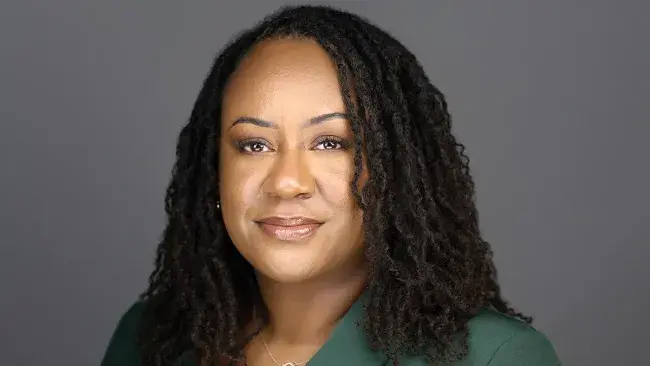
Natasha Adams Spencer
Class of 2020
"I was a student who hadn't been in school for a long time, but no one made me feel that way."
— Natasha Adams Spencer
Natasha Adams Spencer loved working in higher education, but knew she needed a college degree to take the next step in her career. Wake Tech, she says, not only motivated her to continue her educational journey, it also inspired the research for her doctoral degree.
Adams Spencer was an administrative assistant at North Carolina State University, but her job options were limited without a college degree. She knew that, having been out of school for 16 years, enrolling at N.C. State or another four-year institution would likely cause anxiety and stress – and would squeeze her bank account.
Wake Tech's multiple locations, online and evening classes and affordable tuition allowed her to pursue a degree while continuing to work full time.
"Wake Tech was very familiar, and it was just seamless to get started there," she said. "It has so many options in terms of campuses and classes to fit within your life."
Returning to school after so long was intimidating, Adams Spencer admits, but the Tutoring and Learning Center was there to help whenever she struggled with a class or an assignment.
"I took advantage of the free tutoring all the time," she said. "It was available all the time – evenings and weekends – and students from different sections could review class material at the same time."
Her academic advisor also was "very strategic" in selecting classes that would both fulfill requirements for her Associate in Arts degree and then transfer to Appalachian State University so she could complete a bachelor's degree in communications online.
"I was a student who hadn't been in school for a long time, but no one made me feel that way," Adams Spencer said. "I was just a student who belonged there."
After Appalachian State, she earned a master's degree in strategic communications from East Carolina University, taking online classes while continuing to work full time.
"Once I started at Wake Tech, I just kept going," she said with a laugh.
Adams Spencer says her own experiences prompted her to pivot to higher education policy and development as she pursued a doctorate at N.C. State.
"I wanted to research the kind of institution that helped me get started," she said, noting her studies focus on the transfer pipeline between community colleges and historically Black colleges and universities (HBCUs).
Although most HBCUs and other four-year schools say they're receptive to transfer students, she says, she's found that many don't provide adequate resources to help these students succeed.
"There's a misconception that transfer students know what to do because they've been in college," she said. "Every college has different systems and processes, and transfer students don't get the type of handoff that freshmen get when they start."
Wake Tech set her up for success, she says.
The college has, for years, worked hard to ensure students have a path to a four-year degree, says Associate Vice President for Academic Affairs John Bakken. Available resources include advising and university-specific planning tools, and Wake Tech has transfer agreements and partnerships with all 16 UNC System institutions and dozens of other colleges and universities.
"With transfer pathways available for every associate degree program, Wake Tech helps students move seamlessly from two-year programs to bachelor's degree opportunities across North Carolina and beyond," Bakken said.
Adams Spencer says her work at the Thurgood Marshall College Fund, which provides scholarships to students at HBCUs, during her time at ECU and at the Belk Center for Community College Leadership and Research at N.C. State also helped inform her research.
"Access and opportunity is the basis for all my research," she said.
Do you have a Wake Tech success story? Share it here.