Faculty Spotlight
Early Childhood Education
Turning Preschool Chaos Into Confidence for Teachers
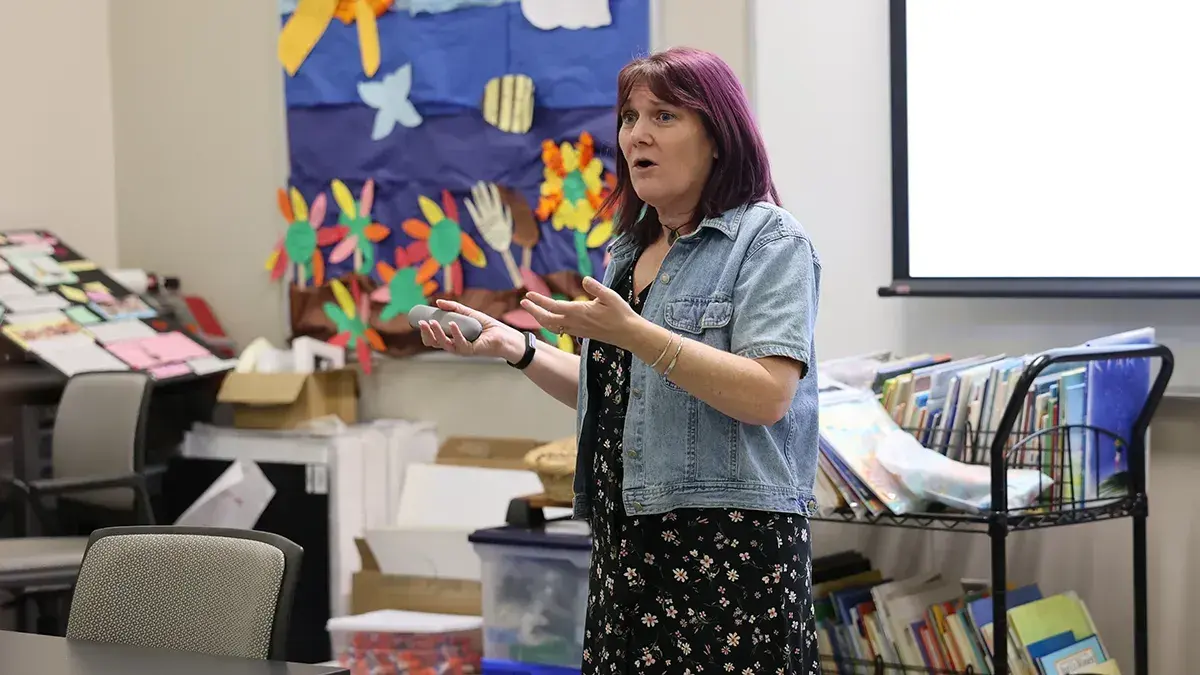

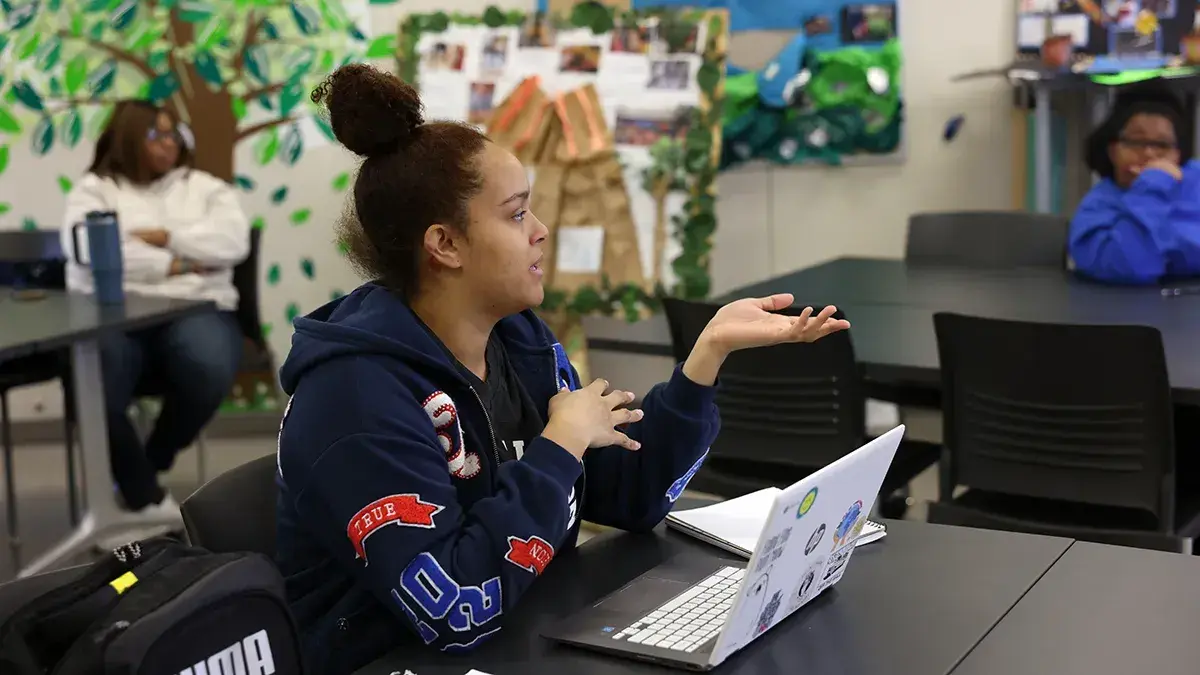

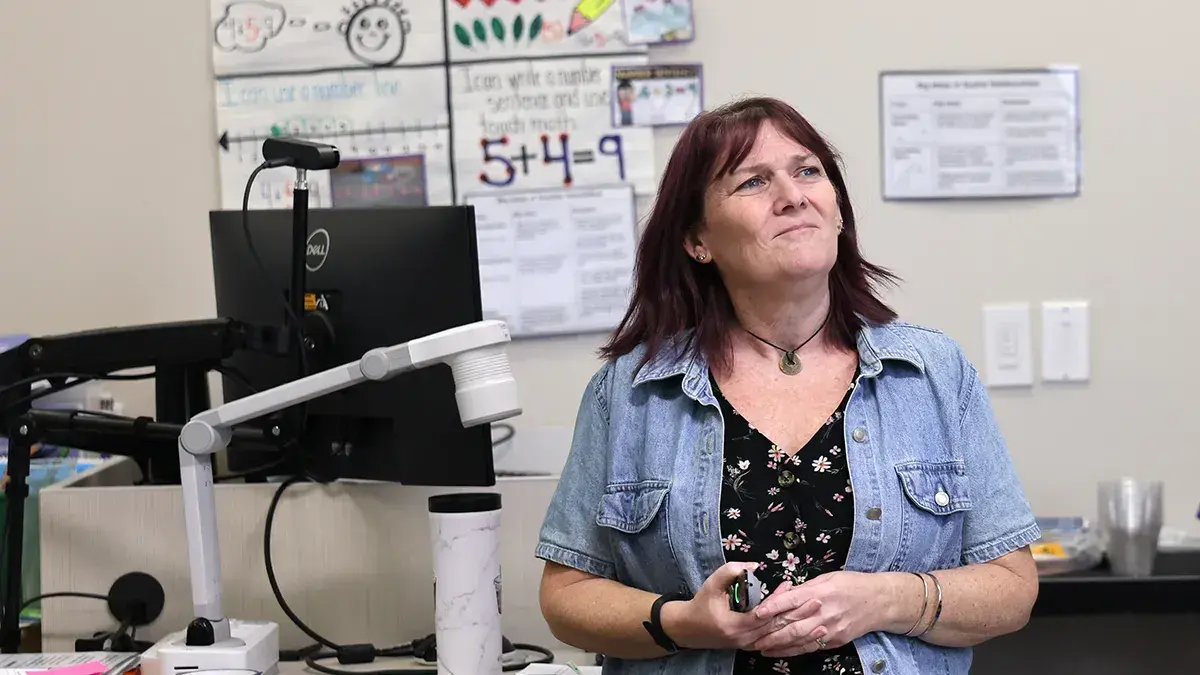
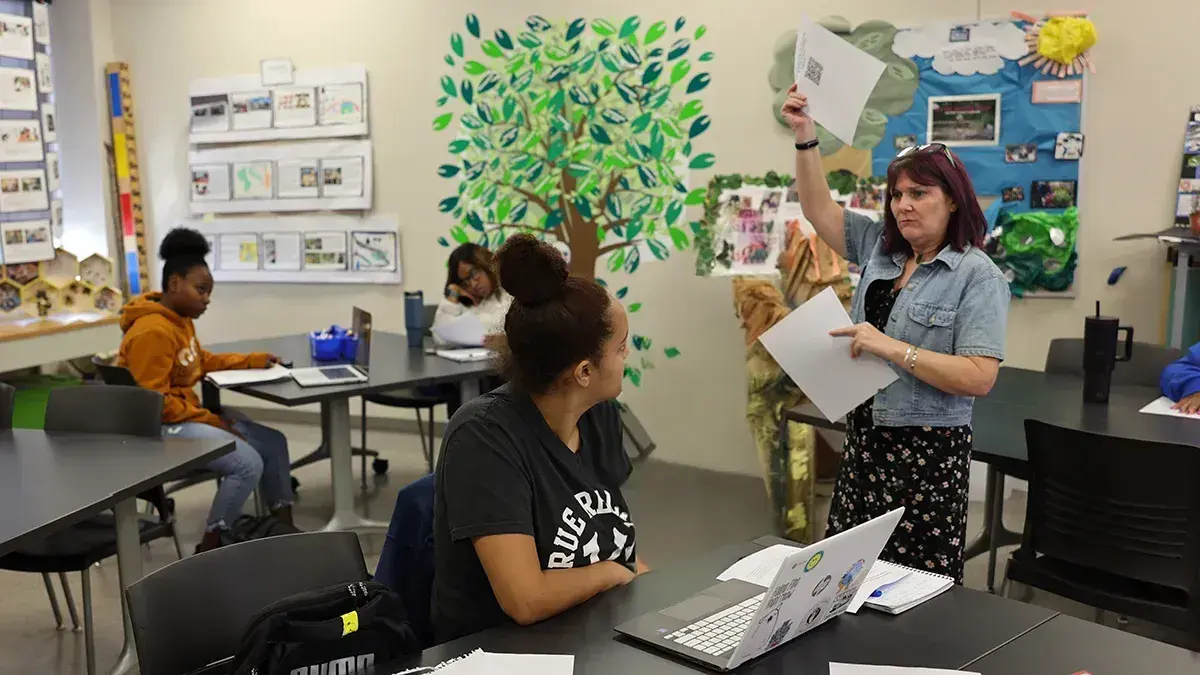
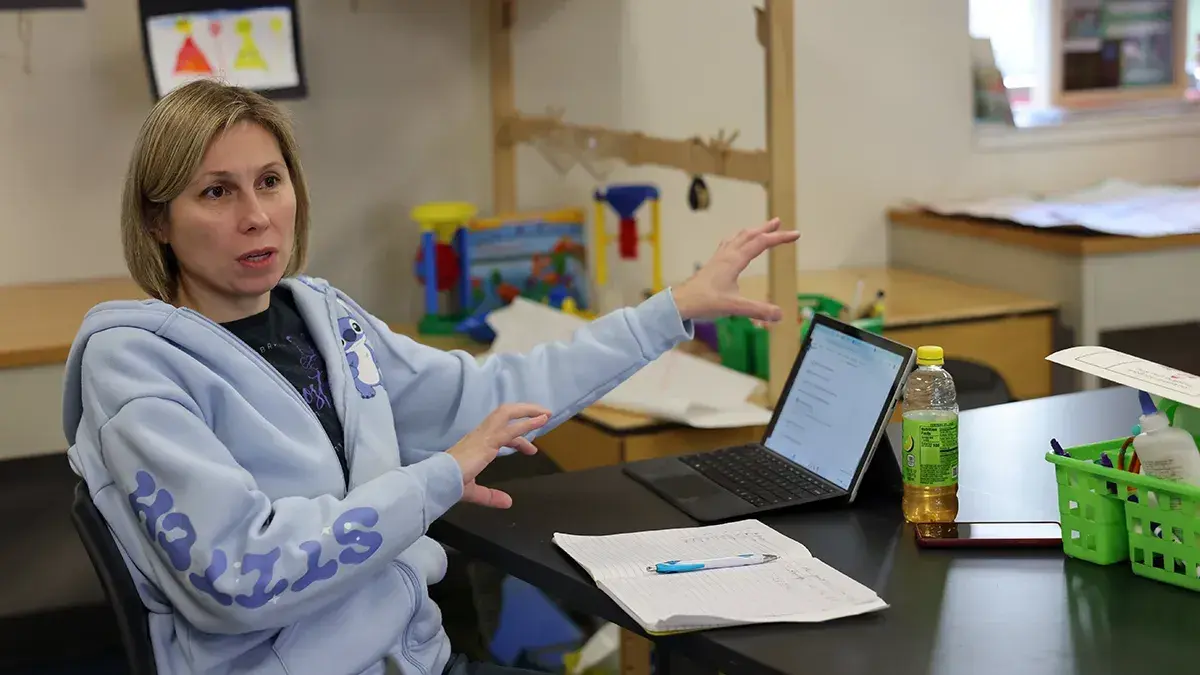
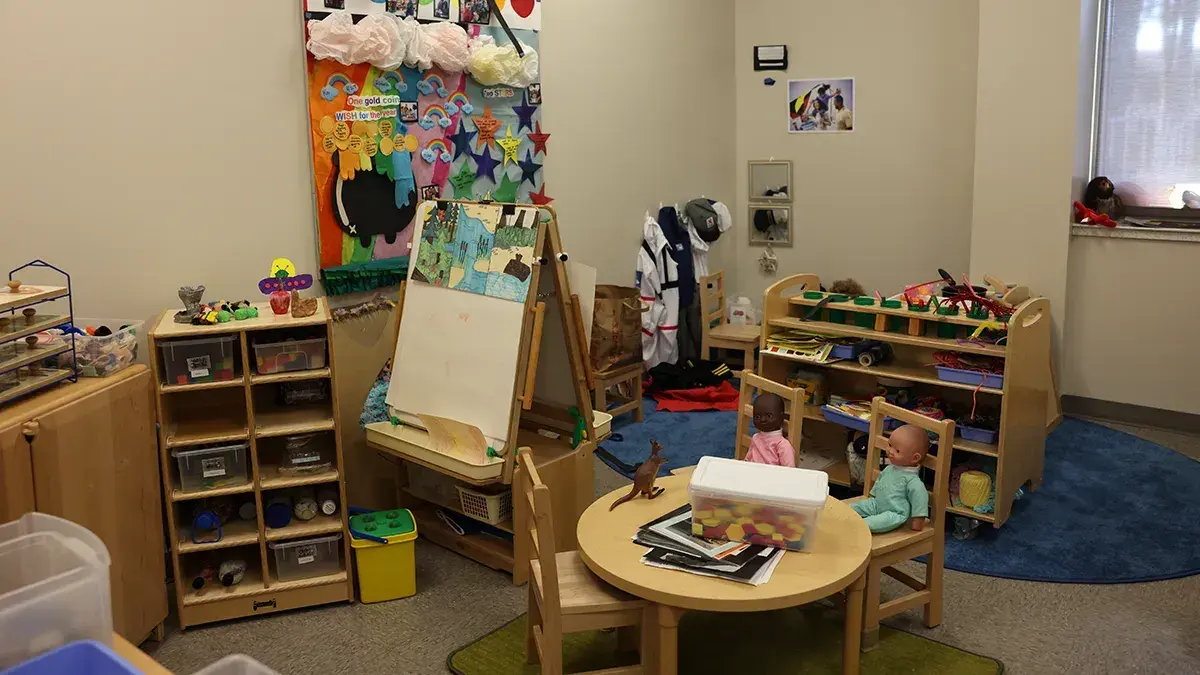
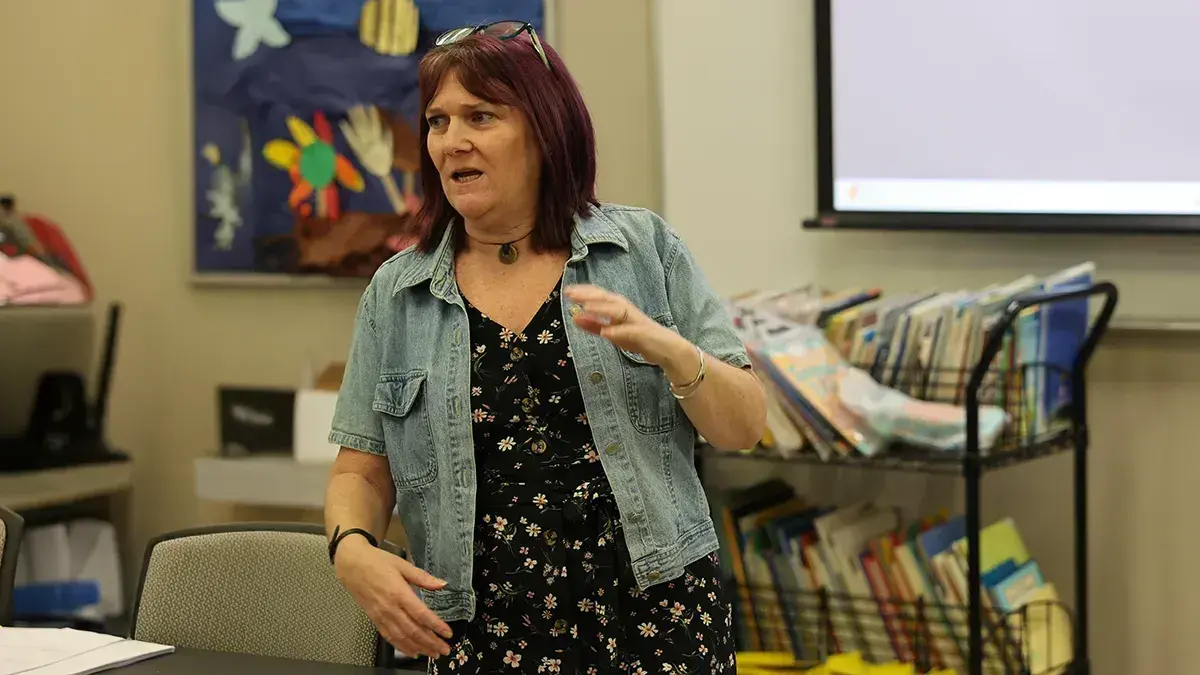
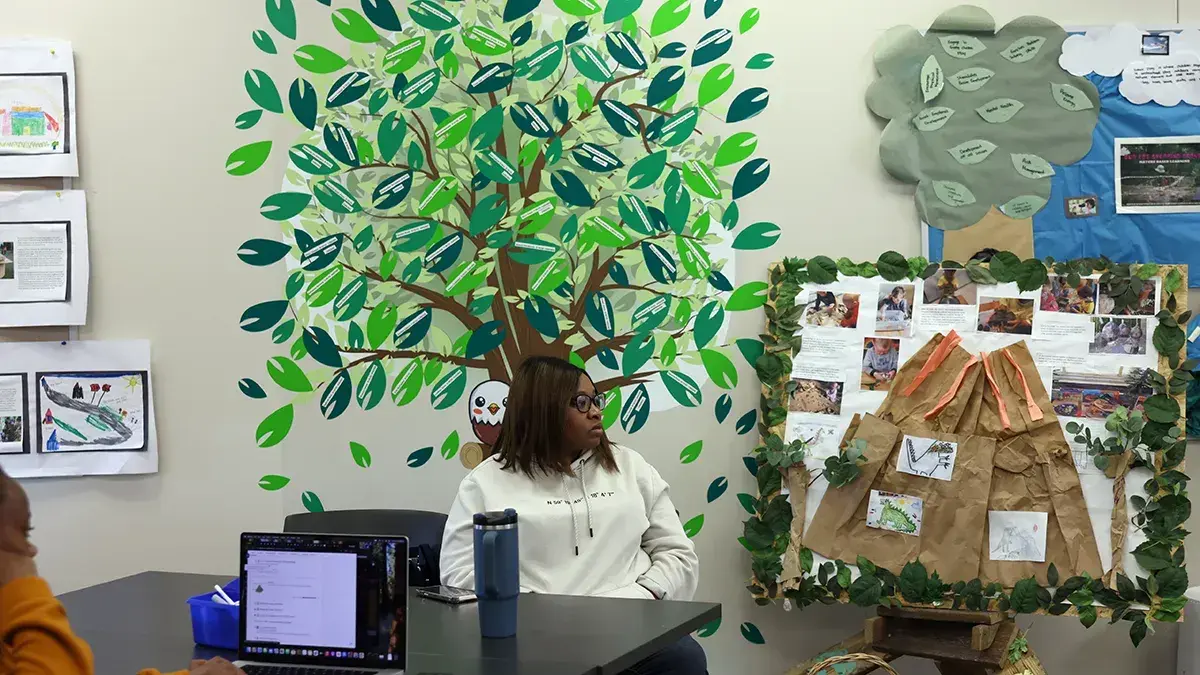
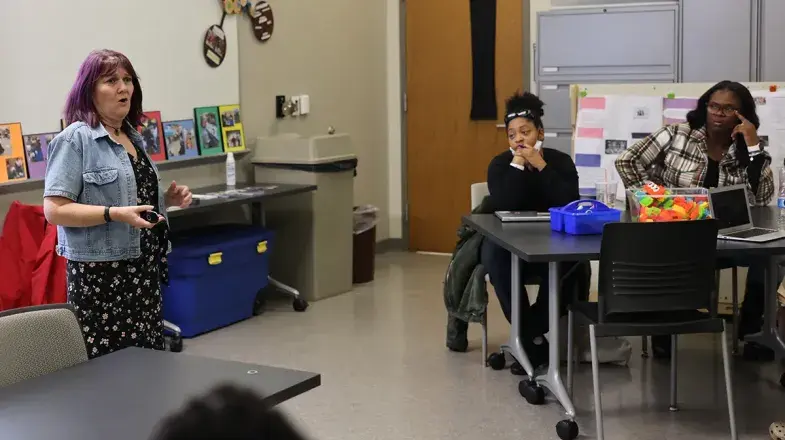
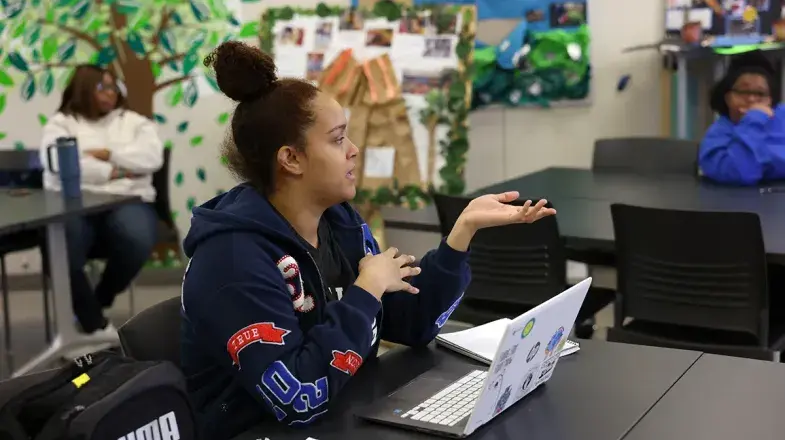
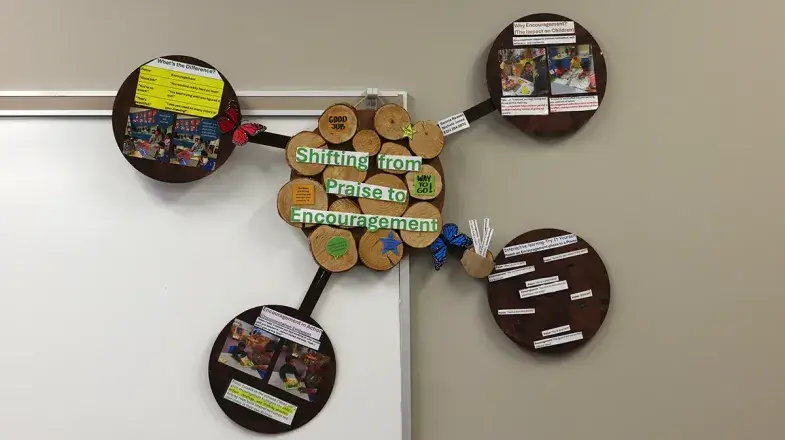
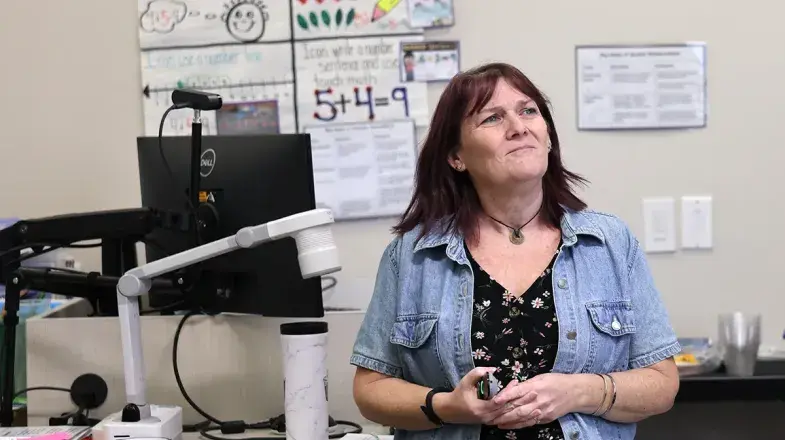
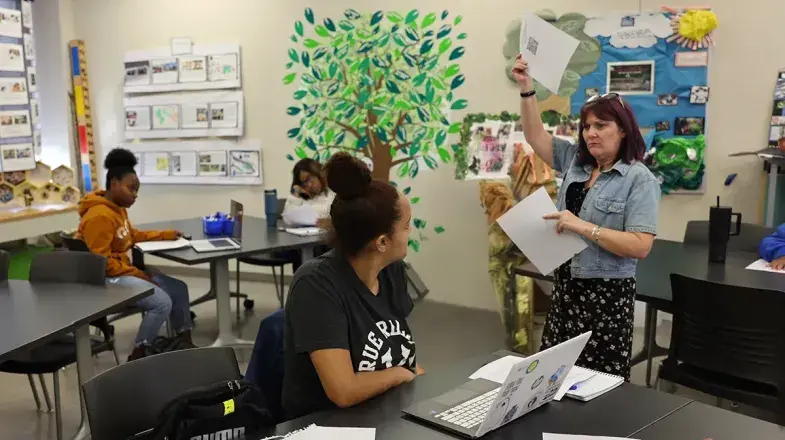
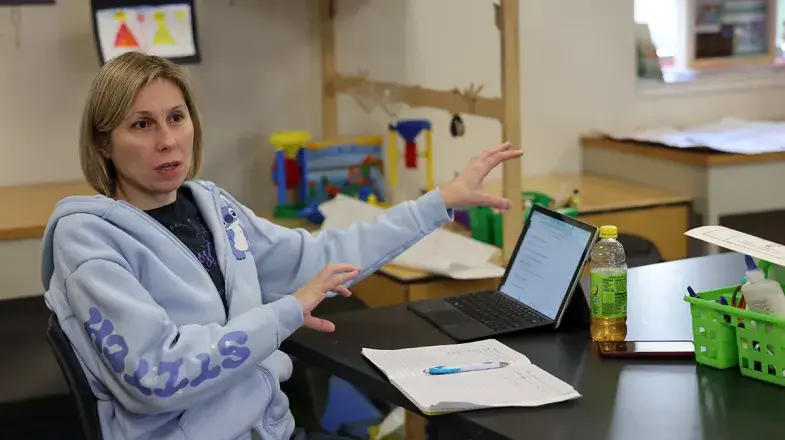
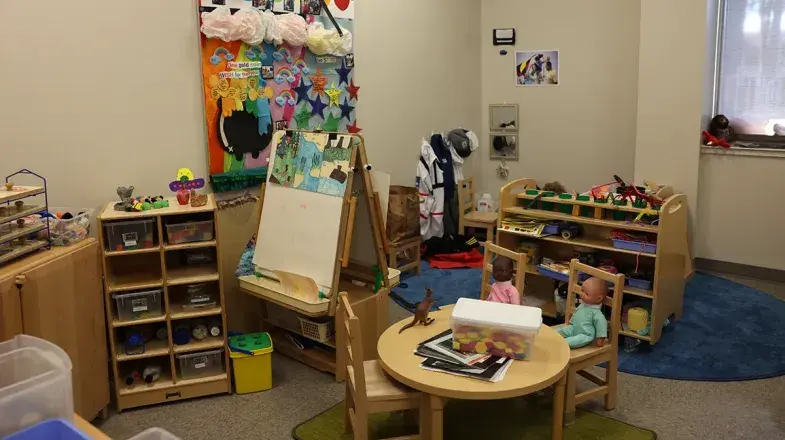

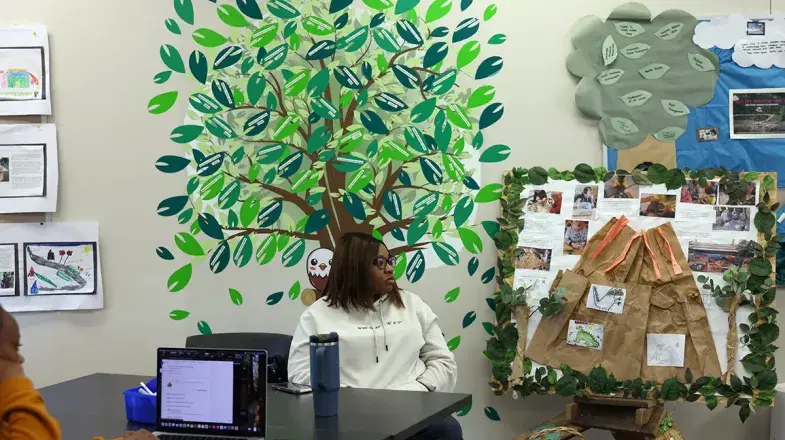
Staci Herman Drauss stands amid the trappings of a typical kindergarten classroom: tubs of colored markers and blocks on desks, toys and picture books in specific locations and walls covered with colorful artwork. But her students aren't children; they're adults who plan to teach preschoolers.
An associate professor of Early Childhood Education, Herman Drauss shares her own experiences as a parent and a child care center staffer to help students understand emotional and intellectual development in youngsters and how to guide their behavior in positive directions.
A toddler doesn't understand the concept of an apology, she tells her students as an example. So, after a classroom scuffle over a toy, she says, teachers must work with students to connect their actions with the impact on others so the children can begin to see what they might be sorry about and start developing a sense of empathy.
"Textbooks paint a very pretty, perfect scene," Herman Drauss said. "Real life is very, very messy and chaotic."
She spent years in the middle of the chaos, starting with a summer job at a California preschool as a 16-year-old. She knew immediately that working with children was what she wanted to do in life.
"Being around young kids was a natural fit," she said. "Infants are probably the most fascinating people on Earth. It's amazing to watch the connections being made in their heads, and it looks different for each child."
After earning a bachelor's degree in child development, she worked as an infant and toddler caregiver at child care centers for a decade before moving to New York to pursue a master's degree in education so she could start training other caregivers.
"As much as I loved being around the kids, I got to the point where I felt I had something more to offer," she said.
Herman Drauss moved to Raleigh to work for the North Carolina Child Care Services Association (NCCCSA). Now known as Early Years, the nonprofit provides professional development programs for child care providers, connects families with child care options and conducts research to improve care.
She's disappointed North Carolina requires individuals to pass only one college course to be qualified as a lead teacher in a child care center notes the ongoing challenges to provide quality, affordable care.
"There's not enough space, the prices are too expensive and there's not enough resources," she said.
The chance to address some of those problems prompted Herman Drauss to join Wake Tech in 2015 as an adjunct instructor while still working at NCCCSA. She became a full-time faculty member two years later, and her ability to relate to students both young and old earned her a 2025 Excellence in Teaching award from the college.
"Community colleges work with people who have their hands and feet on the ground, in these classrooms," she said. "I get to see them put their degrees to use."
Some of her students are already working at area child care centers, but they say she is making them better teachers.
"She's very hands-on," said Shadeja Taborn. "I love when she questions us. She pushes us to interact and demonstrate that we understand different concepts and practices."
"She gives us a lot of information beyond what's in the books," said Natalia Nita. "She helps us understand how to apply what we're learning to our (preschool) classrooms."
Herman Drauss says she wants her students to leave Wake Tech prepared for anything they might encounter in a classroom.
"I don't want them walking into a class and suddenly realizing they're about to be eaten alive by a bunch of 3-year-olds," she said. "I want them to feel, 'I've got this.'"